May 7, 2026
Approaching Nature: How Perspective and Scale Influence Future Fair 2026 Artists
From its earliest origins in medieval painting, the landscape has always been a depiction of nature with a psychic charge.
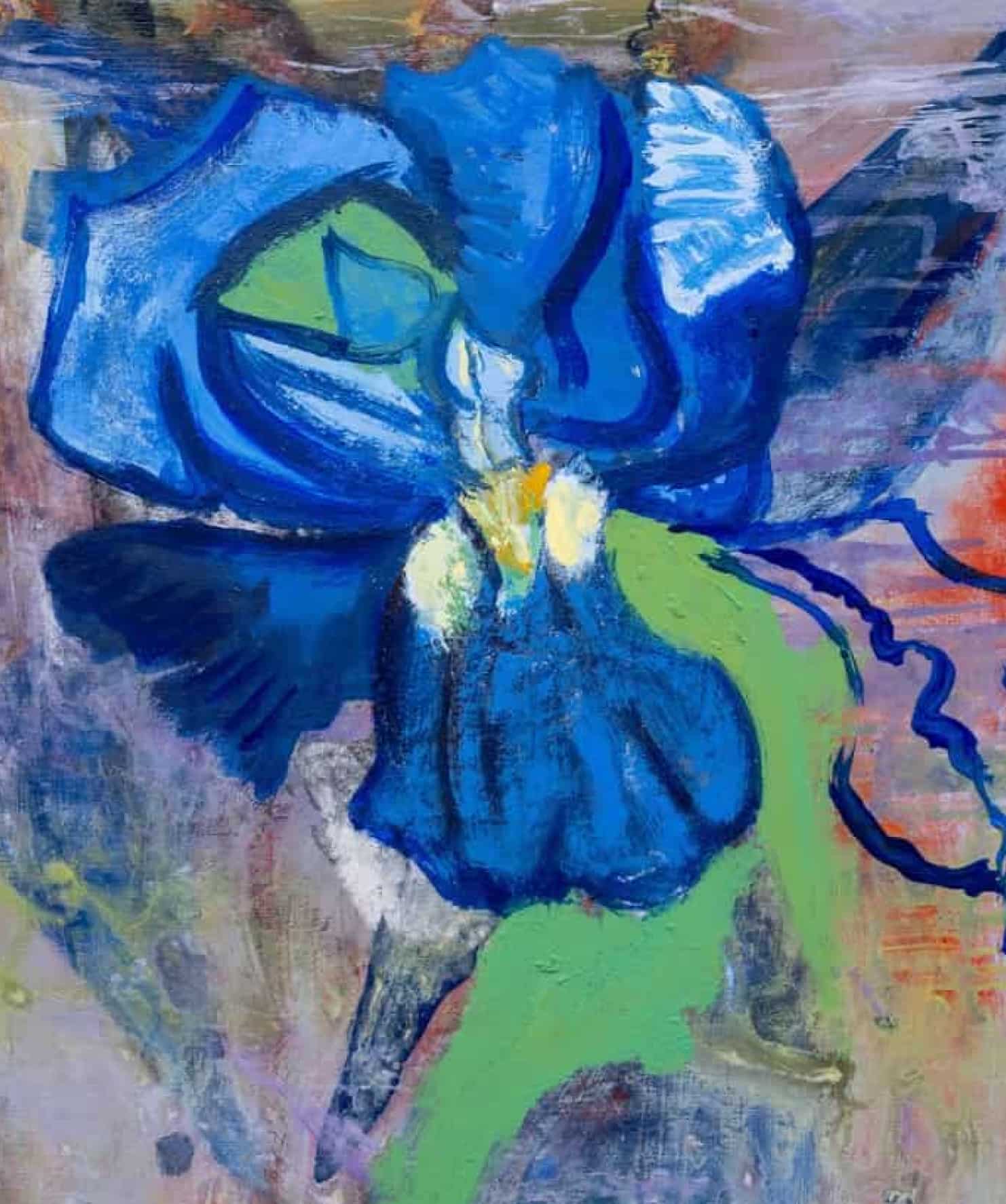
David McDonough, Flower, 2025. Acrylic on wood panel, 18 x 14 in. Courtesy of the artist and Good Naked Gallery, New York, NY.
Stefan Gonzales presented by The Vestibule (Seattle, WA)
.jpg)
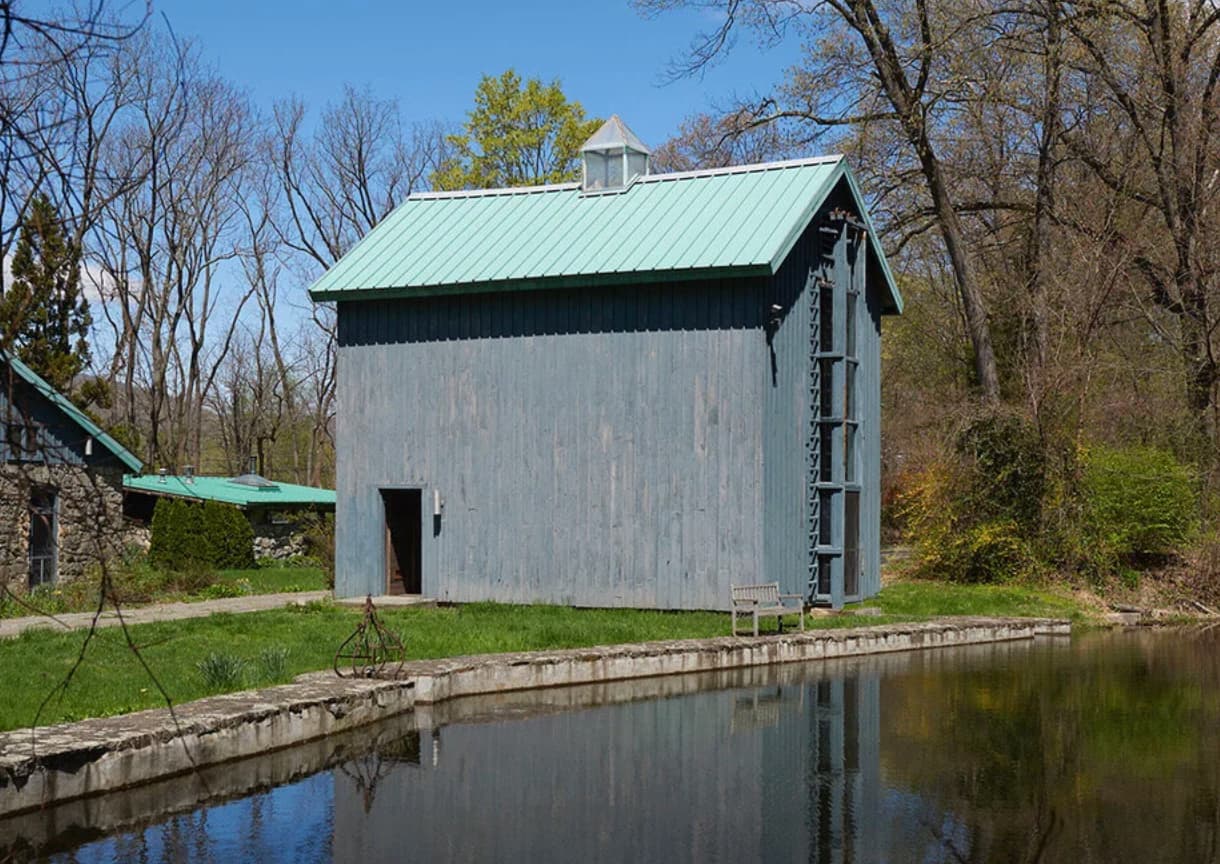
Gonzales, a Prio-Manso-Tiwa and a trans-nonbinary individual, focuses on decolonizing and feminizing the aesthetics of land art. They use so-called “raw” construction materials such as stones, lumber, and rock salt that have been violently extracted and refined from their natural state.
David McDonough presented by Good Naked (New York, NY)
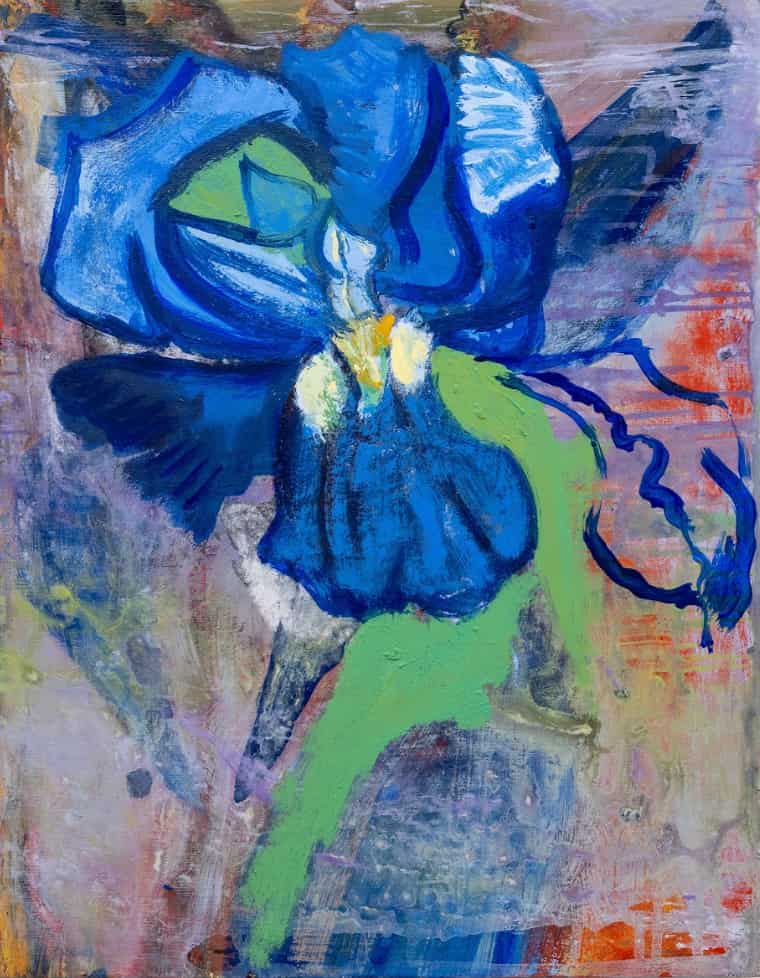
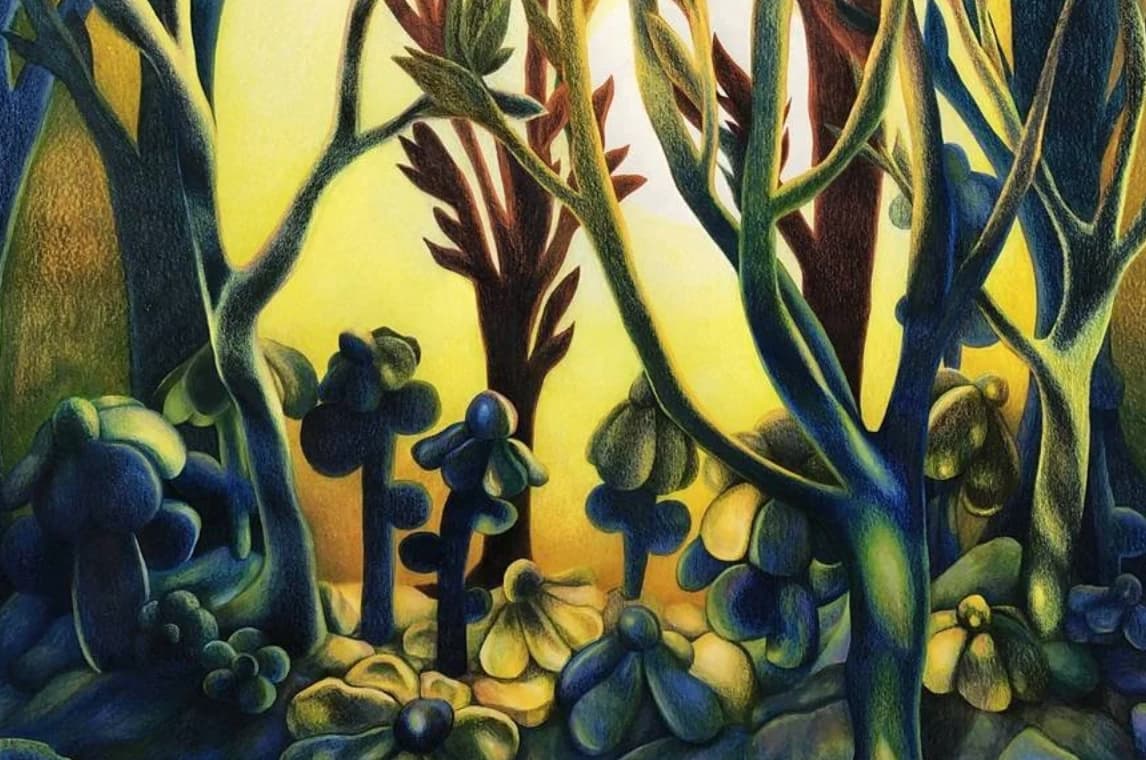
McDonough approaches the unseen from a microscopic level, giving form to quasi-psychedelic memories of beguiling organic forms. McDonough’s paintings vary in scale from intimate panels and wall-hung ceramics to larger immersive works, creating an atmospheric field of color and gesture.
Laura Noguera presented by Policroma, Medellín, Colombia
.jpg)
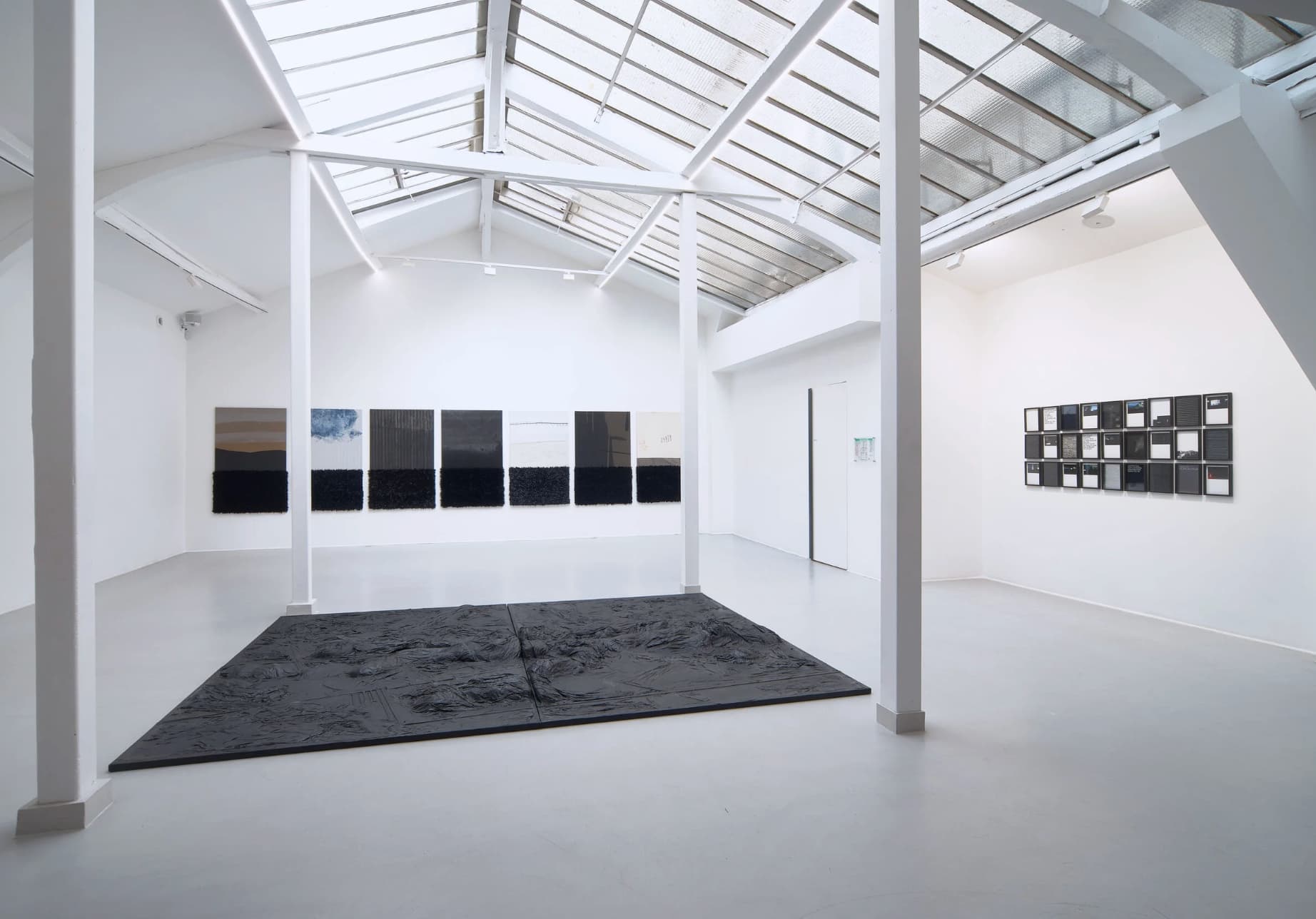
In Noguera’s work, scale is never fixed. A stone may become a volcano, a puddle aspires to the condition of a sea, and a navel recalls—quietly but insistently—that it marks a center around which meaning is organized.
Beatriz Williams presented by under the pale blue, New York
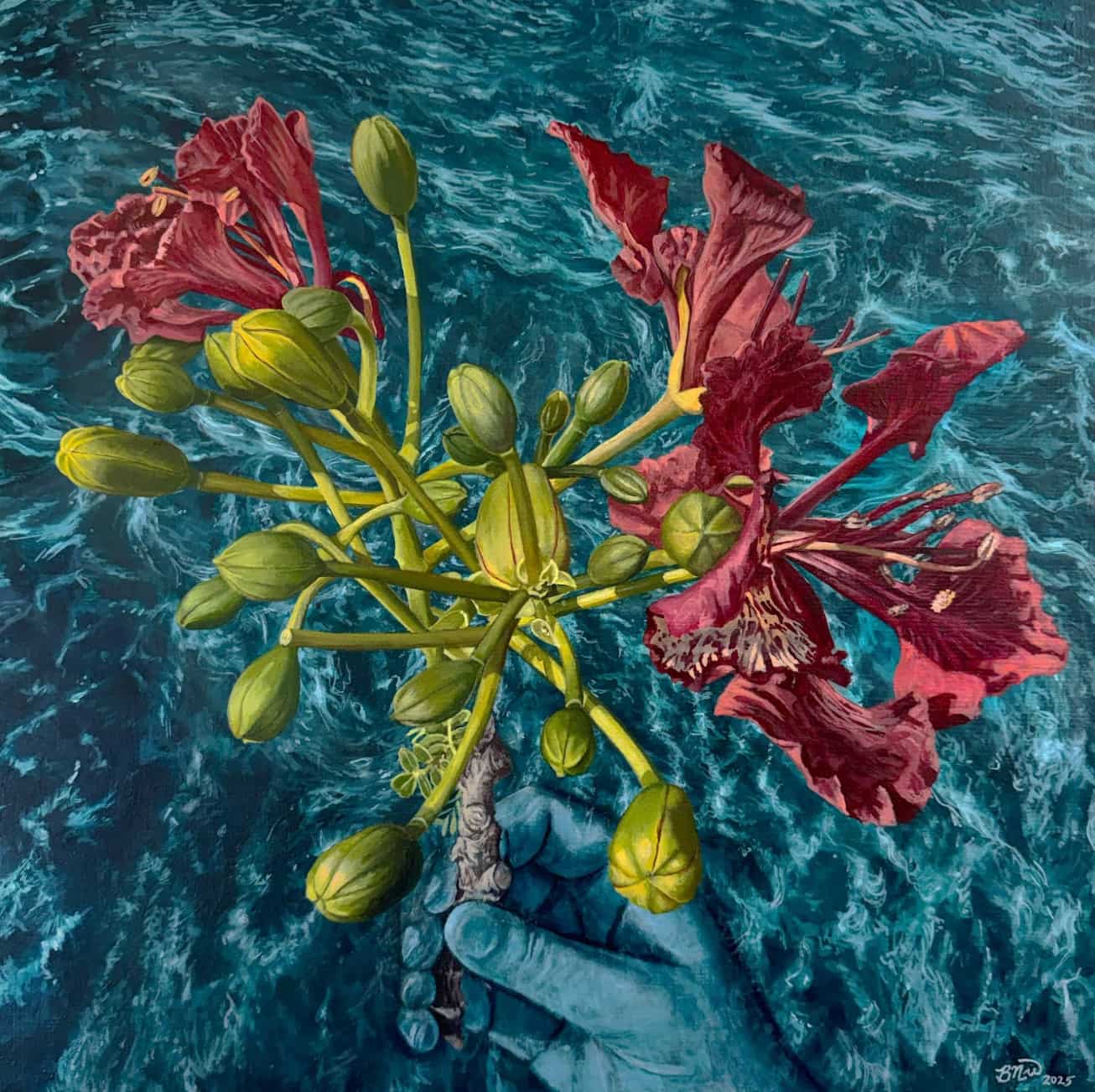
Beatriz Williams creates vivid acrylic paintings that merge portraiture and landscape, exploring identity through a diasporic lens. Born in Puerto Rico and raised in New York, her work reflects the tension and fluidity of existing between cultures. Figures emerge intertwined with lush, natural forms, dissolving the boundary between human and environment.
April Street presented by Lola Gallery, Los Angeles, CA
.jpg)
April Street’s new series of watercolors, called Weather Patterns, are spontaneously painted landscapes with reworded weather reports written on each of them at the place and time of completion. They bring together the disembodied time of the imagined world with the physical conditions surrounding the artist at a particular moment.
Daniel Kukla presented by The Empty Circle, NY

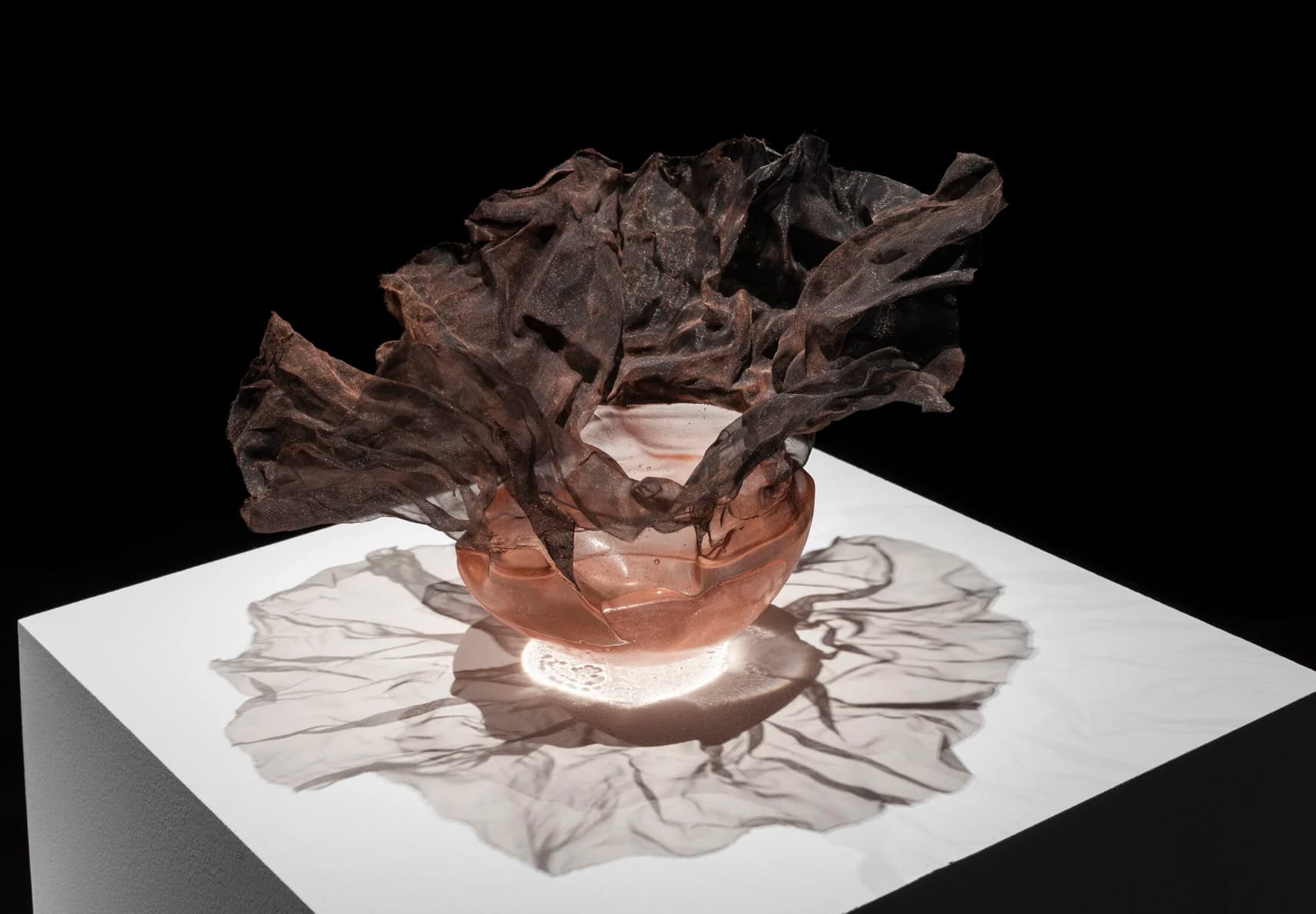
Daniel Kukla works at the edges of natural history, ecology, and the human impulse to categorize the living world. Grounded in research, his practice investigates impermanence and the shifting boundaries between art and ecology. Drawing from fieldwork, archival research, and site-responsive interventions, Kukla engages with ecological, historical, and social processes to reveal the interdependence of systems.
Xavier Tavera presented by CRUISE, Minneapolis, MN
.jpg)
At Future Fair, Cruise presents new work by Xavier Tavera, an artist from Mexico City who lives and works in the Twin Cities, whose photography reflects on landscape and belonging following the recent Federal occupation of Minneapolis. Tavera’s documentary images of protest are given an unexpected context: Tavera mounts them onto photographs of pastoral Minnesota landscapes.
Karl Orion presented by Blumka, New York
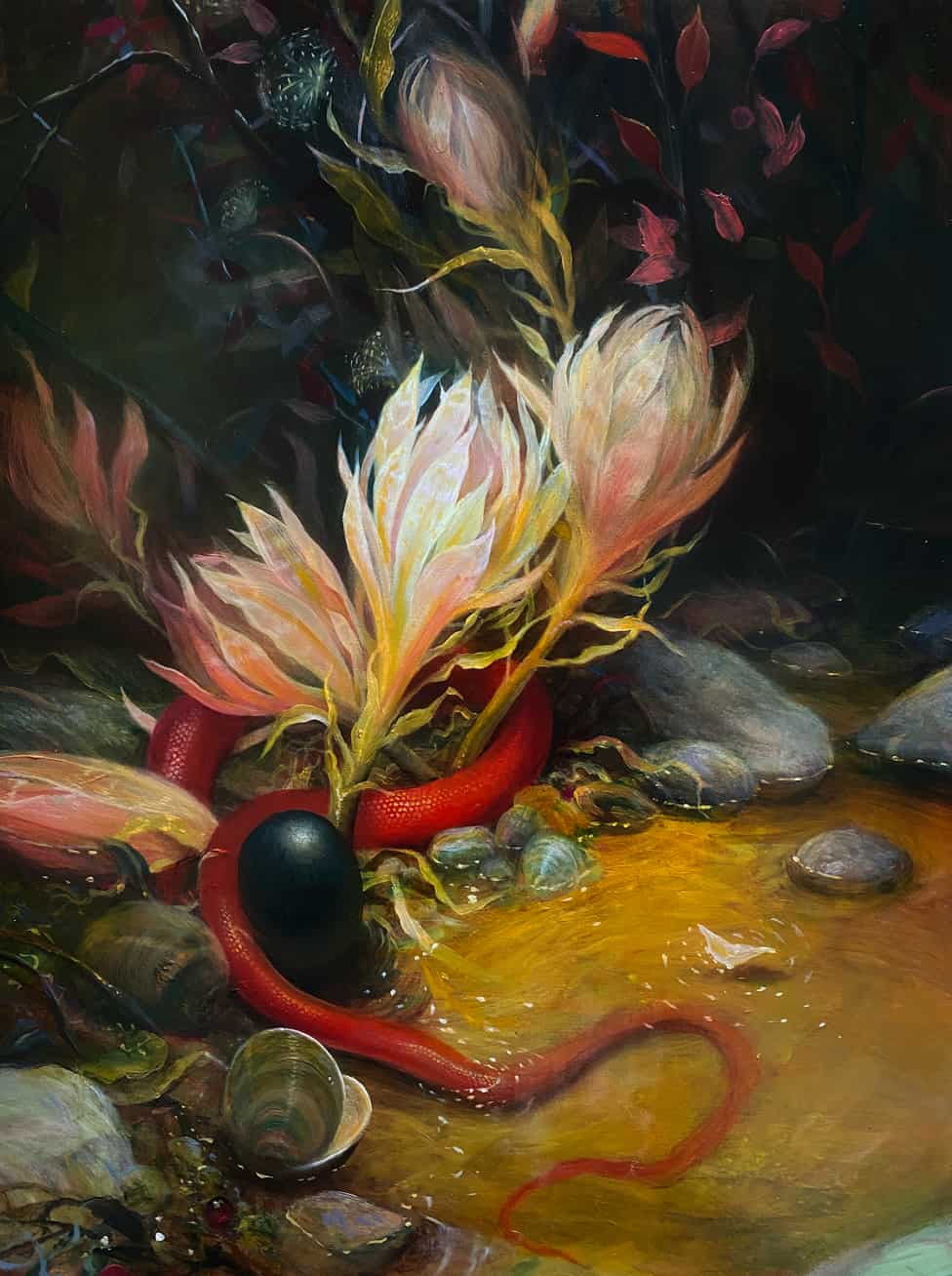
Through allegorical botanical painting, Orion dissolves the often rigid boundaries imposed between humanity and the natural world, offering spaces of reflection, refuge, and emotional recalibration.
Yiting Liu presented by Current State Studio, Los Angeles, CA
%20(1).jpg)
In her painting practice, Liu explores the harmonious relationship between humanity and the cosmos. The three tonalities of the Guqin—Universe, Earth, and Humanity—profoundly influence her creative process.
Miguel Casco presented by artbug, Mexico city & Los Angeles
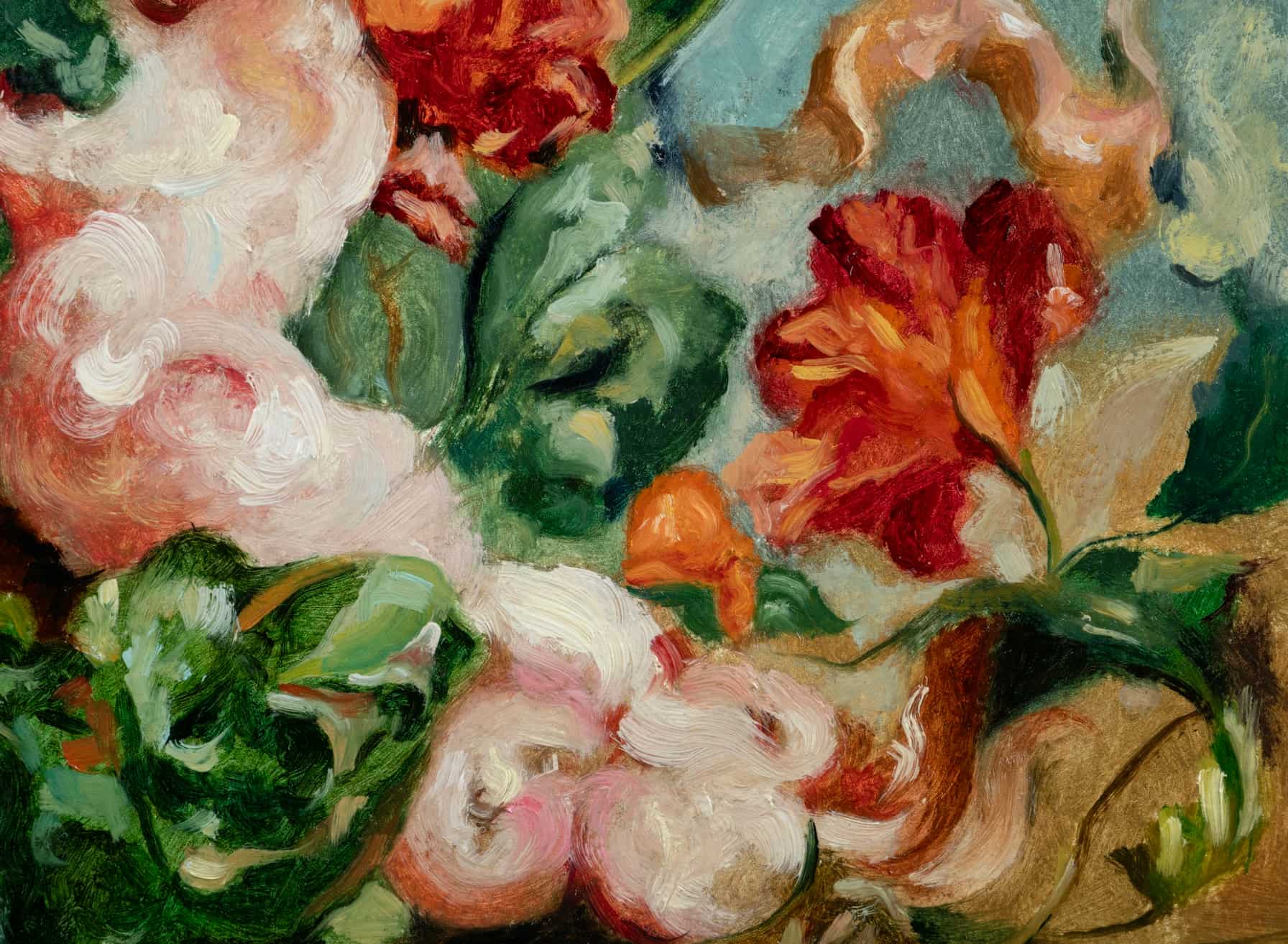
Nature is never neutral in Casco’s work. It appears as a site of metamorphosis, excess, and visual tension. His Afantasía paintings weave together floral abundance, bodily suggestion, and painterly distortion, using the slowness of oil paint to give material presence to images that feel both historical and strangely synthetic.