April 24, 2020
Voices: Mike Tan of Rubber Factory, New York
An interview with Mike Tan, the owner of Rubber Factory, based in New York City’s Lower East Side.
Ranee Henderson, Courtesy of Rubber Factory
What are some common themes in your program?
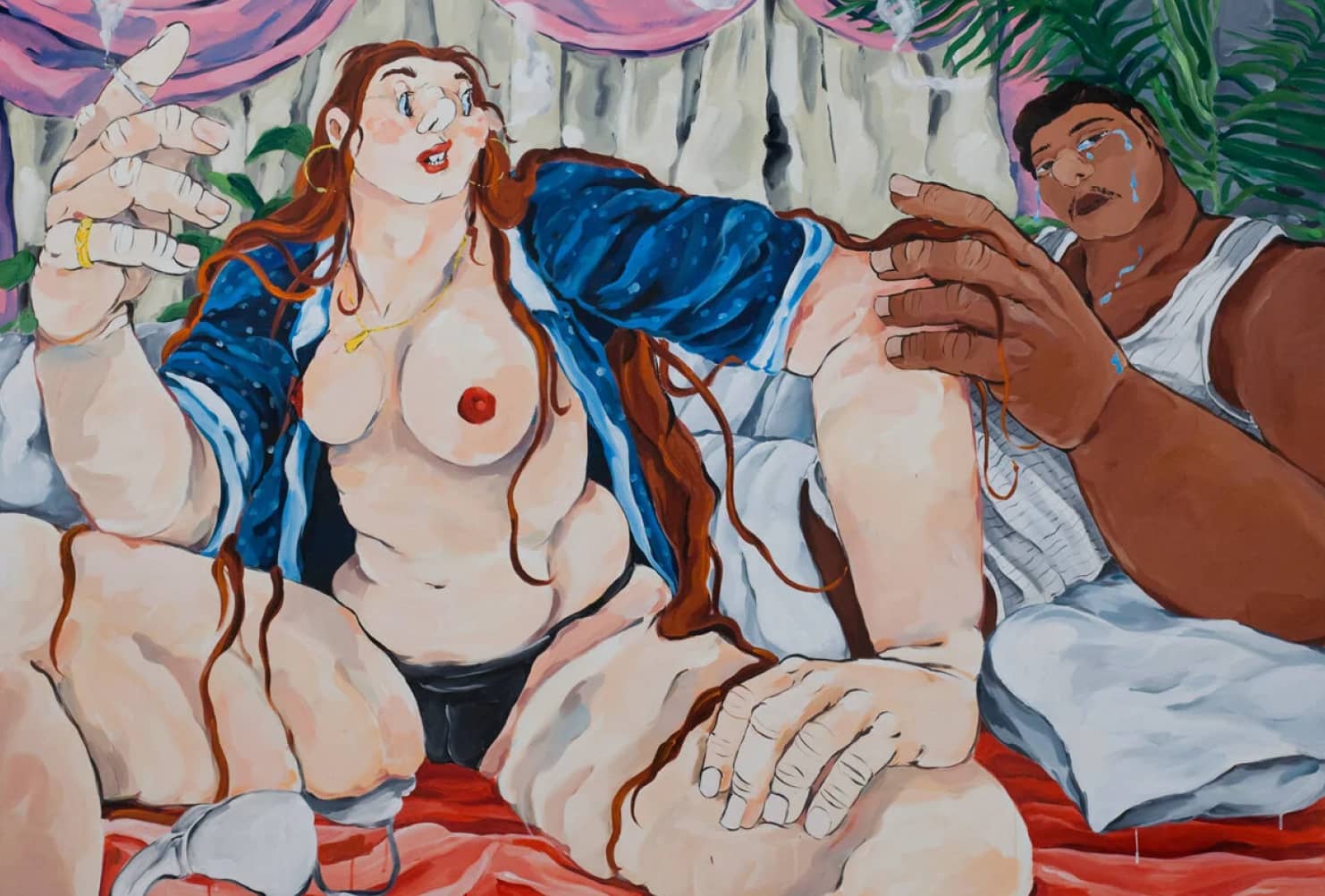
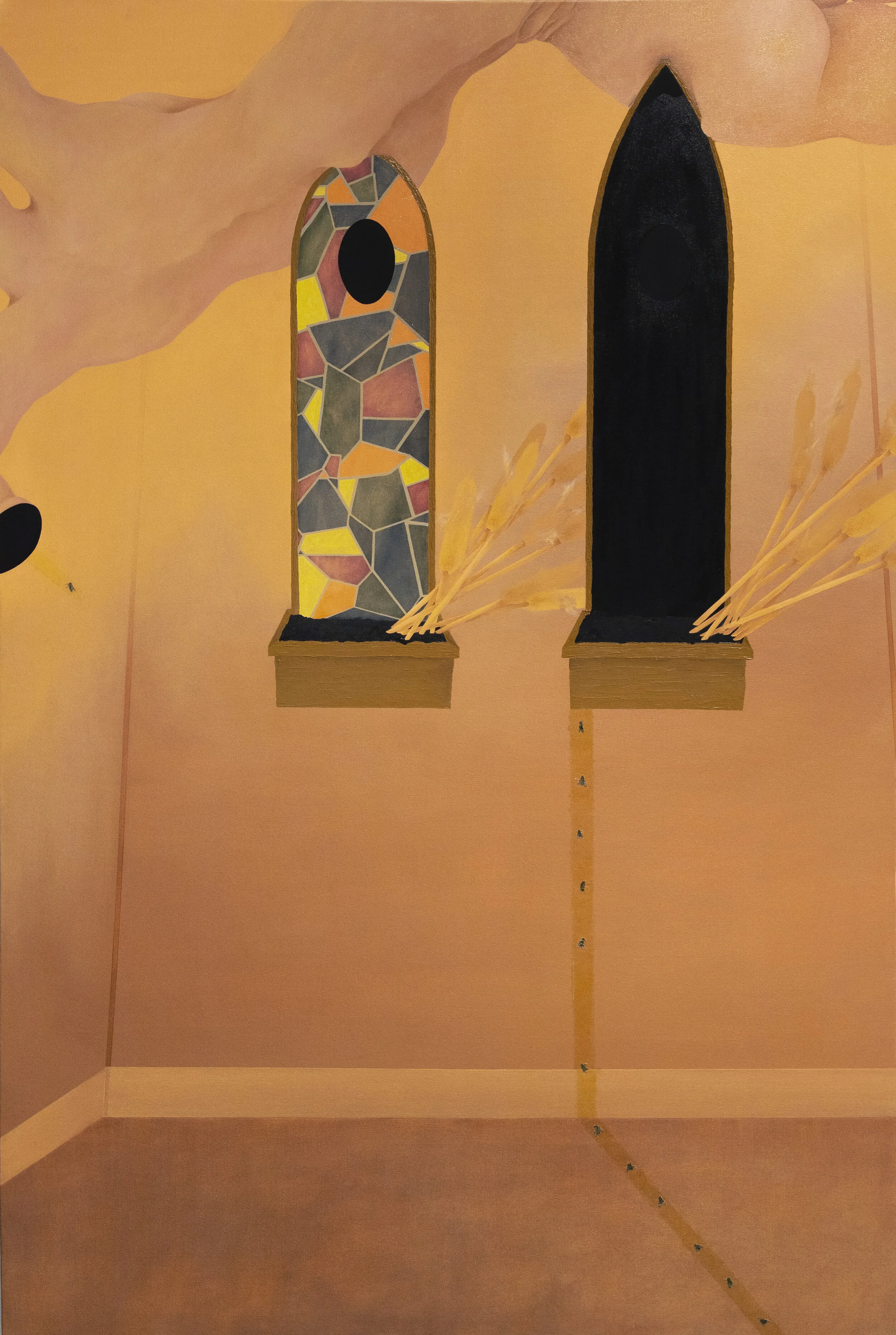
I'm really excited to present Lilian Martinez' third solo show with the gallery. She recently moved to the desert and has a larger studio. For the first time she's making several big paintings and I can't wait to share them.
What are some common themes in your program?
The gallery has a program centered on diversity, opacity and the presentation of parallel histories. The gallery draws its name from the founder, Mike Tan’s family business in Malaysia and is loosely tied to the gallery’s interest in diasporic ideas, vernacular materials and generational memory. From Incan quipus or ancient Chinese poetry to 1980s LGBTQ porn magazines, shows at the gallery have sought to expand upon master narratives in Contemporary Art.
Who is the artist in your program that you have worked with the longest? How did that relationship begin?
I've worked with Pacifico Silano almost since we started the gallery in 2016. Pacifico was in a group show over the Summer and we've developed a real rapport over the years putting on 2 solo exhibitions together.
Why are you passionate about art?
I'm passionate about art because of artists, the visible spectrum of the final works is certainly why we do what we do but I find a lot of joy in the relationships with artists I have. The invisible labor of talking, thinking etc with others is what I'm most passionate about in the art world.
Tell us about one show you are excited to present in your gallery.
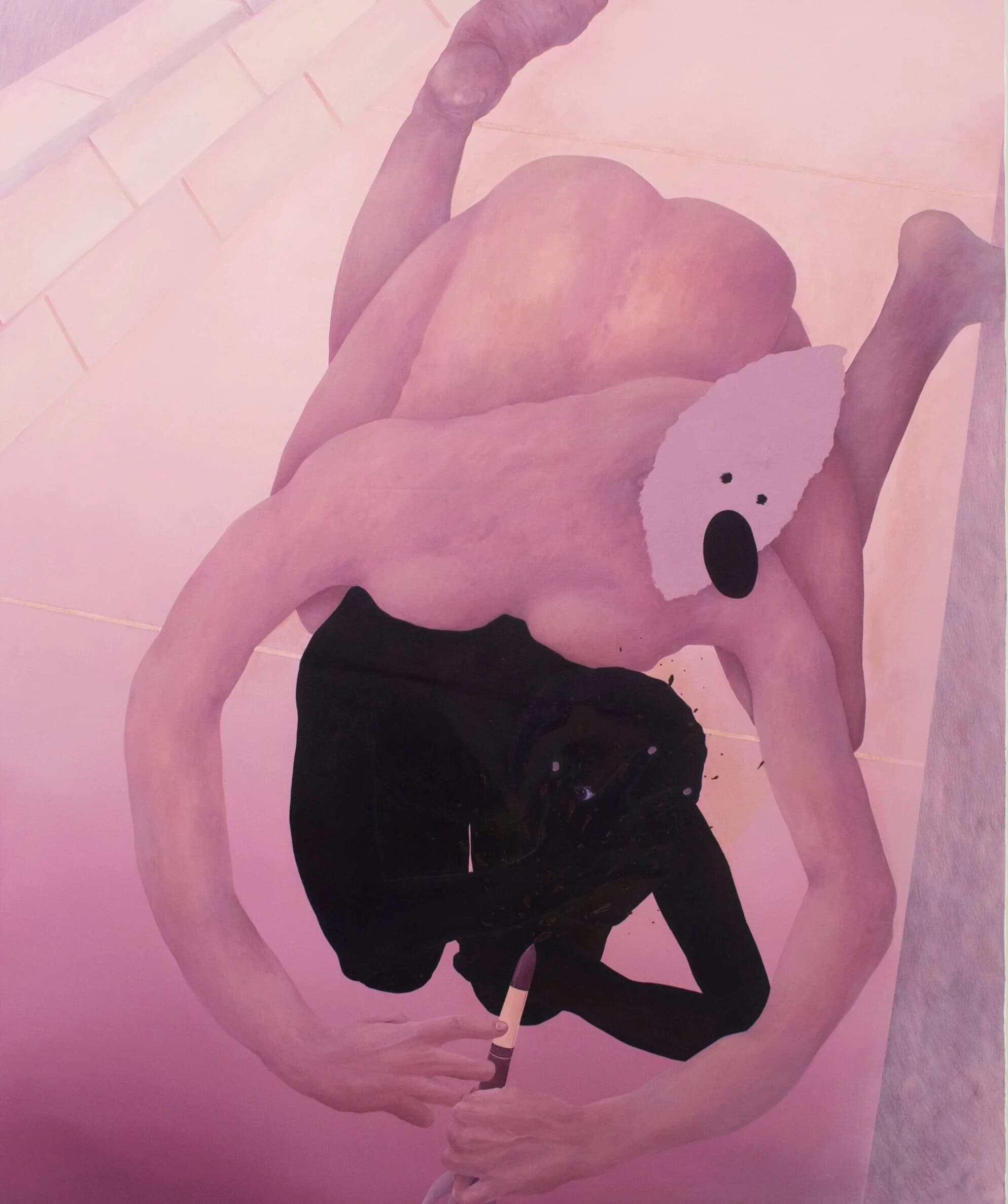
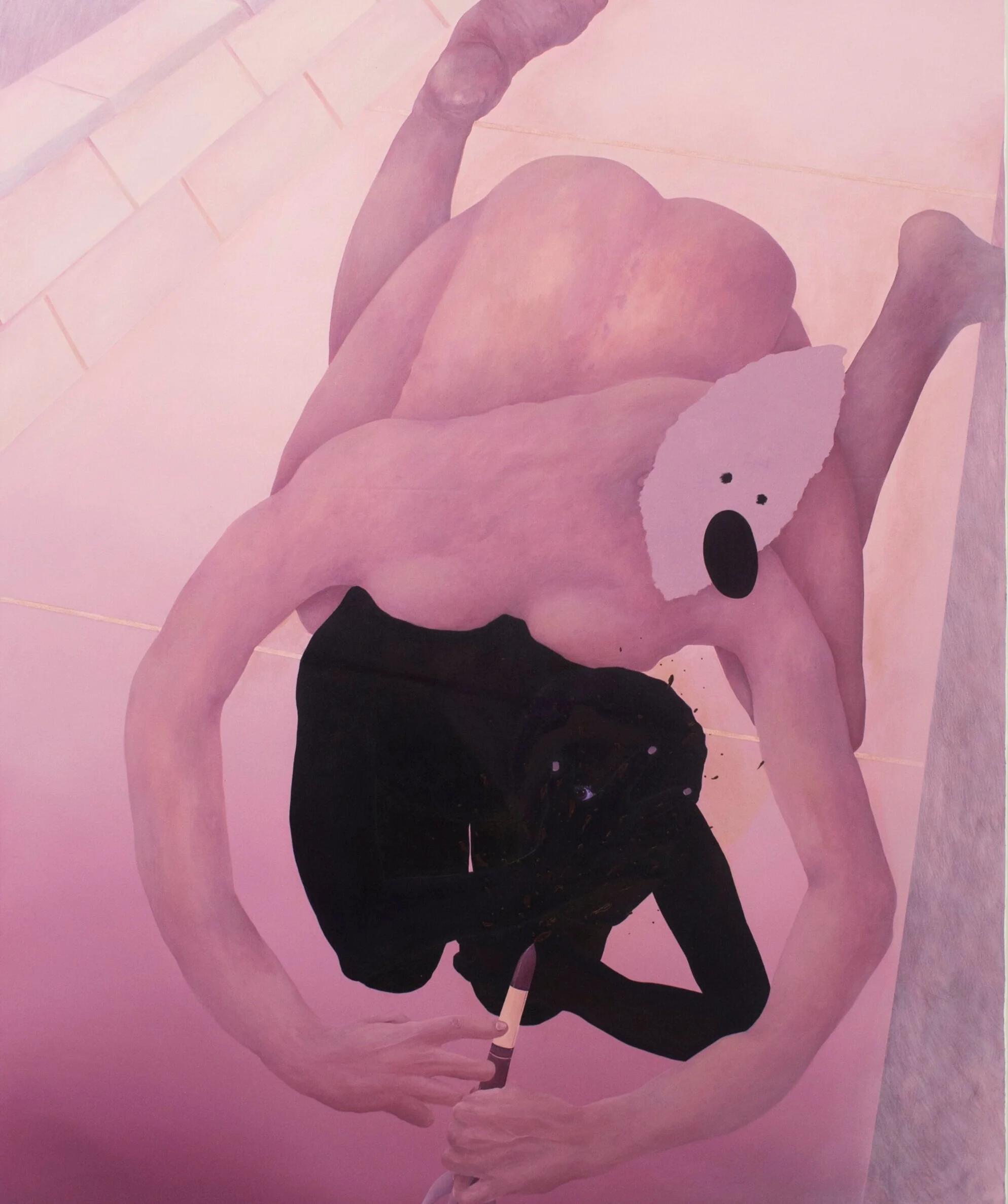
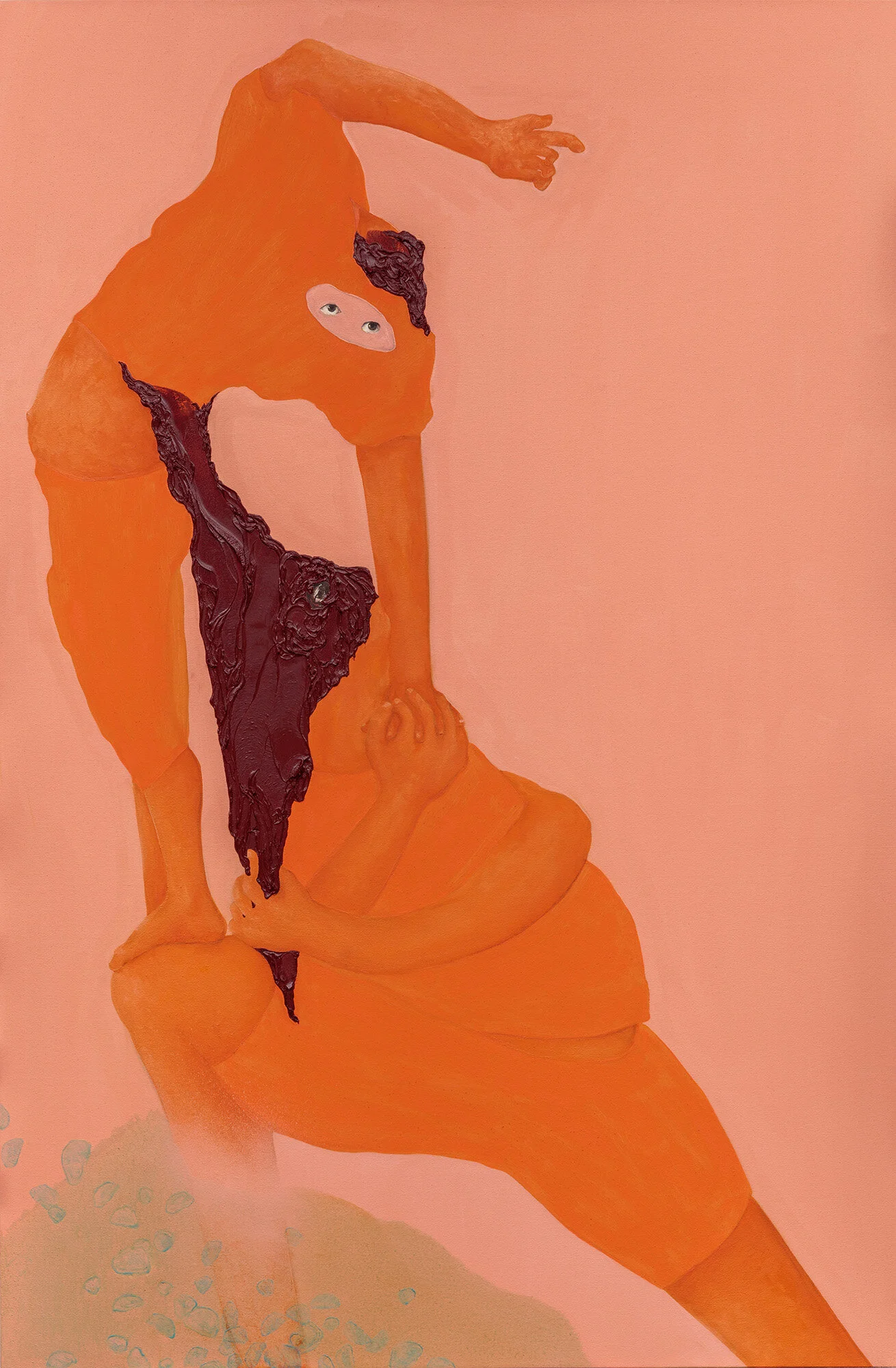
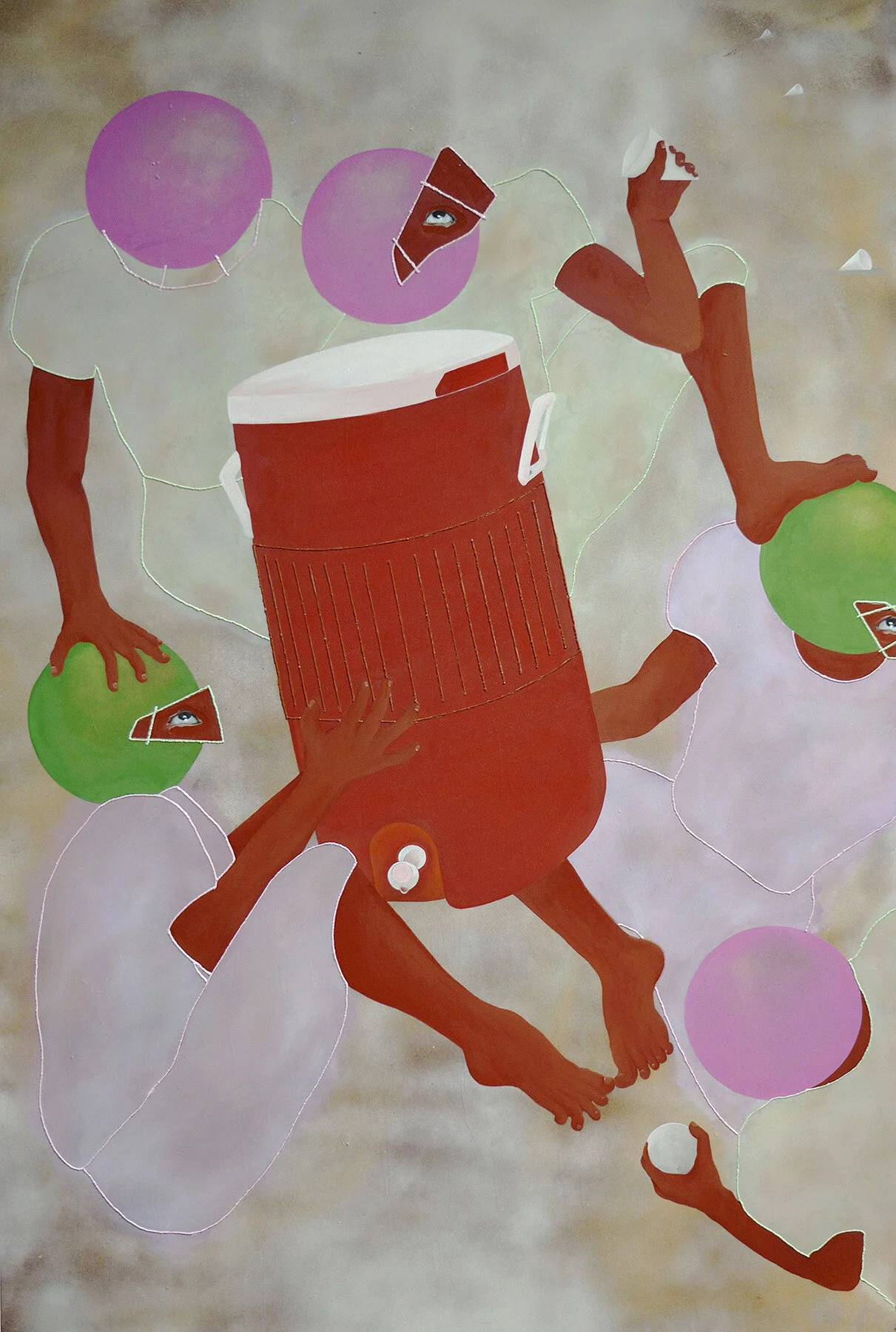
I'm really excited about Ranee Henderson's solo show since we'll be exhibiting her paintings at Future Fair as well. Ranee's work feels so prescient to the tipping points we're at as a society! The work explores labor, inequality, vigilance and even the effects of a deteriorating climate. What ties is all together is the way Ranee's bodies and limbs hold space and demands attention with their textures and details.
Who was the last artist who’s studio you visited? Tell us a bit about the work.
The last artist I visited was Tariku Shiferaw who I've been following for a while and finally got to meet. We had a 4 hour long visit which felt like it covered a lot of ground on things like hieroglyphs, cosmography and the African continent. The work is exploring a lot of ideas around abstraction as a trace of a history, a person or a time that I've been thinking a lot about. Tariku is building a parallel reading of the cosmos which draws from the vernacular of black history instead.
How have you grown as a dealer over the years?
Not certain how much I've grown as a dealer per se. Much calmer now and less likely to chase whatever moving target can be defined as success.
How have you grown as a curator over the years?
I've learned to see beyond the work and to lean on my community more. Talking to peers about what gets them excited or who I might have a good conversation with is much more important than rigidly planning exhibitions 5 weeks at a time.
"I've learned to see beyond the work and to lean on my community more. Talking to peers about what gets them excited or who I might have a good conversation with is much more important than rigidly planning exhibitions 5 weeks at a time."
- Mike Tan
What is it about artists that you respect and honor the most?
I respect and honor artists for the daily labor of love which is their practice. The studio is a sacred place and I think artists are doing some of the most important work in society in helping us discover meaning, context and beauty.
Who was the first artist you ever worked with? Tell us a bit about that story.
The first artist I ever worked with was when I worked in Hank Willis Thomas' studio when I was still in college. As someone from South East Asia with no background in art, I really had no idea what Contemporary Art was. My interests were in history, philosophy etc and Hank's studio was really a rabbit hole moment for me where I realized there were deeper ways to engage with the ideas I was beginning to mine.
What is a piece of advice you give to artists?
Build real relationships with peers. I don't think art can be made in a vacuum, especially today. But I also think it is quite difficult to have no agenda and to have non-transactional relationships given how commodified/professionalized the art world has become. But if you are truly probing exciting ideas and can find a tribe similarly invested, then that's the way to go.
Tell us about a mentor you had early on in your career and what they taught you.
Hank Willis Thomas was an important early influence for me in the art world for sure. I learned to start from a place of authenticity and that you could have a conscience in the art world.
What qualities do you look for in an artist?
Honesty, with themselves and with me.
Name an artist you don't represent that are particularly drawn to and why.
Walid Raad. I think I encountered his practice at an important moment in my life and it really turned me onto the art world and its potential.
Tell us about why you decided to open a gallery.
I opened the gallery as a sort of irrational impulse to work with more artists. All I wanted to do was meet artists, hang out with them and put on shows which meant something to us. Also, there are no Malaysian gallerists in America and I felt this desire to indirectly speak to my own background and point of view.
What is your personal or professional motto?
Nothing to lose.
Name a big overall lesson you've learned in running a gallery.
I've learned to slow down.
What does success as a gallery director mean to you?
Helping artists put on their version of the ideal exhibition and to be friends with them in the process.
What is the best piece of business advice you were given when you first started out?
Be different.
At what point in your life did you first learn about the art industry? What called you to it?
I came to the art industry fairly late in my early 20s and I fell into it while working for Hank Willis Thomas in his studio.
What is your favourite thing about your gallery space?
The fact that it's on a blue collar street in the LES still with a laundromat and a hardware store opposite.
Name a person in the art industry that you admire or look up to and why.
Kameelah Janan Rasheed is someone I admire a lot because she's so smart, so real and is always up for a great conversation.
What does the art world need more? Less of?
More conversation, less selling.
What is the most important quality you look for in a patron of the gallery and your artists?
Thoughtfulness. I don't think there is one general quality but I think it's always nice to have real interactions not just automatic answers.
Tell us about one artwork you love living with and why.
I love living with a Black Dada piece by Adam Pendleton because it's aesthetically simple but conceptually loaded.
Tell us about an artwork you recently acquired and why.
Haven't acquired anything in a while.
What do you think is the greatest challenge galleries face today? How are you addressing this?
The greatest challenge in my opinion is the way the art world is so financially unsustainable. I'm addressing this by trying to really pick and choose what you commit to.
How can galleries collectively advance?
By sharing resources and having frank and open discussions.
How do you see the traditional gallery model evolving as our industry evolves?
I see the model becoming more transparent with pricing but also perhaps we need to demand more from collectors; not just in terms of their cash but maybe their mind space.
What would a more sustainable art industry look like?
Every gallery has a real niche and no one is starving.
Name a gallery that you admire and why.
Makeroom in LA, they have an uncompromising vision.
Rubber Factory on Future Fair Online